Why Is My Cat Drooling? When It Signals Dental or Toxicity Issues
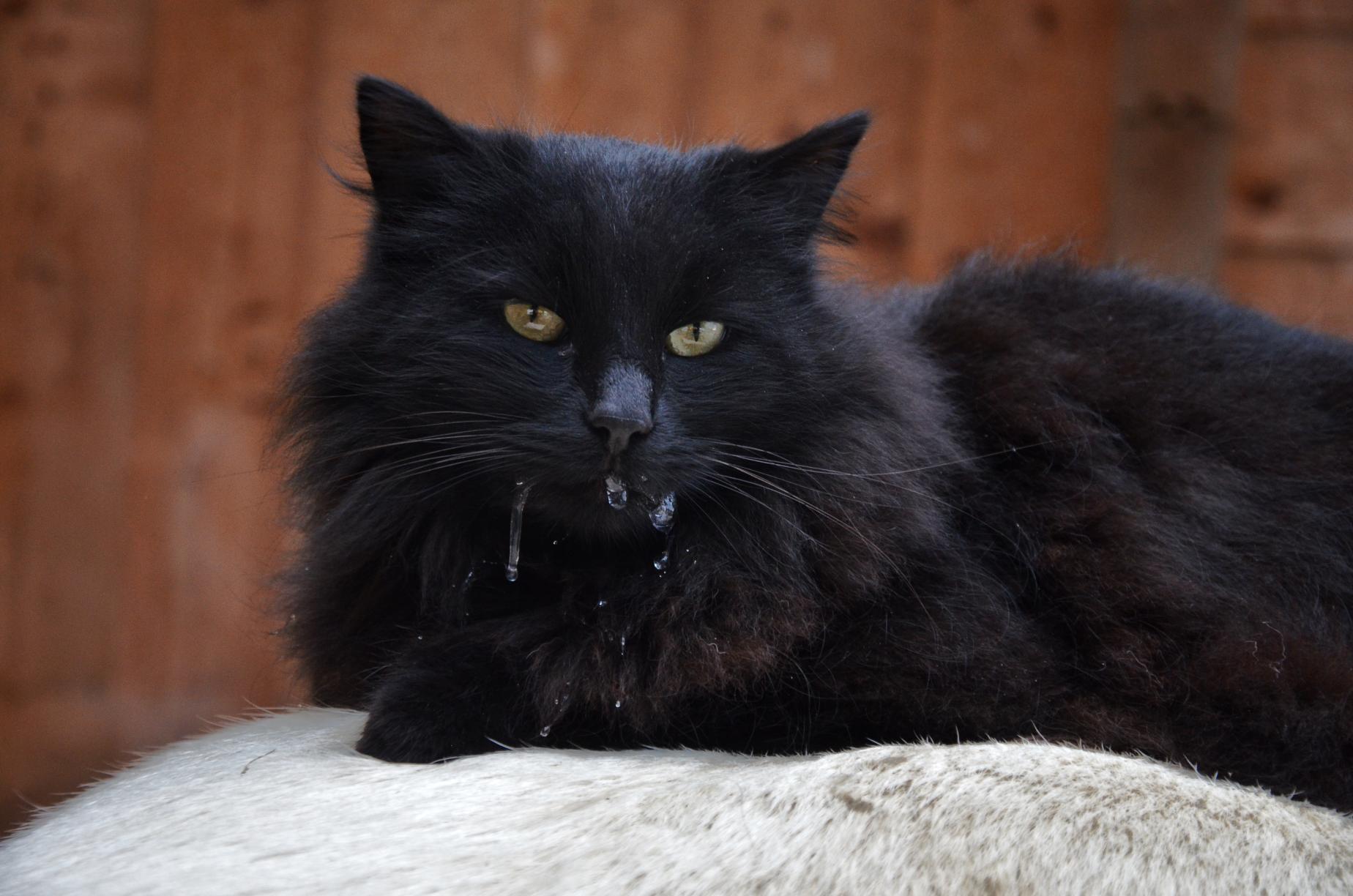
Is your kitty suddenly spouting…drool? No matter the age, a cat drooling suddenly is something to pay attention to. The team at Coal Creek Animal Hospital is here to help guide you through the potential reasons and possible treatments for excessive drooling in cats.
Reasons Your Cat Might Be Drooling Suddenly
Unlike dogs, cats aren’t prone to drooling. When they do, it’s generally a sign that something’s going on health-wise, with your kitty.
Here are some of the most common causes for excessive drooling, or hypersalivation, as it’s called in the veterinary world:
- Dental disease. Dental disease and oral pain can cause your cat to chew differently to try to avoid increasing pain. This can lead to drooling. Infections, tooth resorption, and gum disease can all lead to drooling, too.
- Exposure to toxins. If your kitty eats a toxic plant, chemical, or medication, she may experience drooling, along with other symptoms like vomiting or extreme tiredness.
- Nausea or illness. Sometimes, drooling is a telltale sign that your kitty is about to vomit. Vomiting can be caused by anything from a gastrointestinal illness to a dietary indiscretion.
- Mouth injuries or the ingestion of foreign objects. Even a small mouth injury can cause drooling as your cat’s body tries to repair the injured tissue. If Kitty has something stuck in his mouth, drooling can ensue from that, too.
Here’s the thing: our sweet kitties are skilled in hiding their discomfort. It’s a survival mechanism left over from their days in the wild, and it means we must pay careful attention to subtle signs like drooling.
Treatment for Dental Disease in Cats
If dental disease is the reason behind your kitty’s drooling, the treatment focuses on addressing the root cause of the pain, infection, and swelling.
Your veterinary team will likely perform a professional dental cleaning to remove plaque and tartar, and perform any necessary tooth extraction if teeth are severely decayed. Pain relief and antibiotics can help aid in the progress of your pet’s healing.
Treatment for Cat Toxin Exposure
If you suspect toxin exposure, consider it an emergency and call poison control and your nearest emergency veterinarian. Treatment includes an immediate evaluation by a veterinarian, induced vomiting if necessary, rinsing of the mouth, and supportive care with fluids and medications.
Fear-Free Cat Care at Coal Creek Animal Hospital
Sudden drooling can be worrisome and even alarming, but it’s also a helpful signal that your feline family member needs attention. Whether the cause is dental pain or exposure to toxins, prompt care is key.
Our certified Fear Free veterinarians at Coal Creek Animal Hospital are here to help. Call us at (720) 894-4005 to set up a stress-free appointment for your kitty.