
Understanding Seasonal Allergies in Pets: Why January Can Still Trigger Them
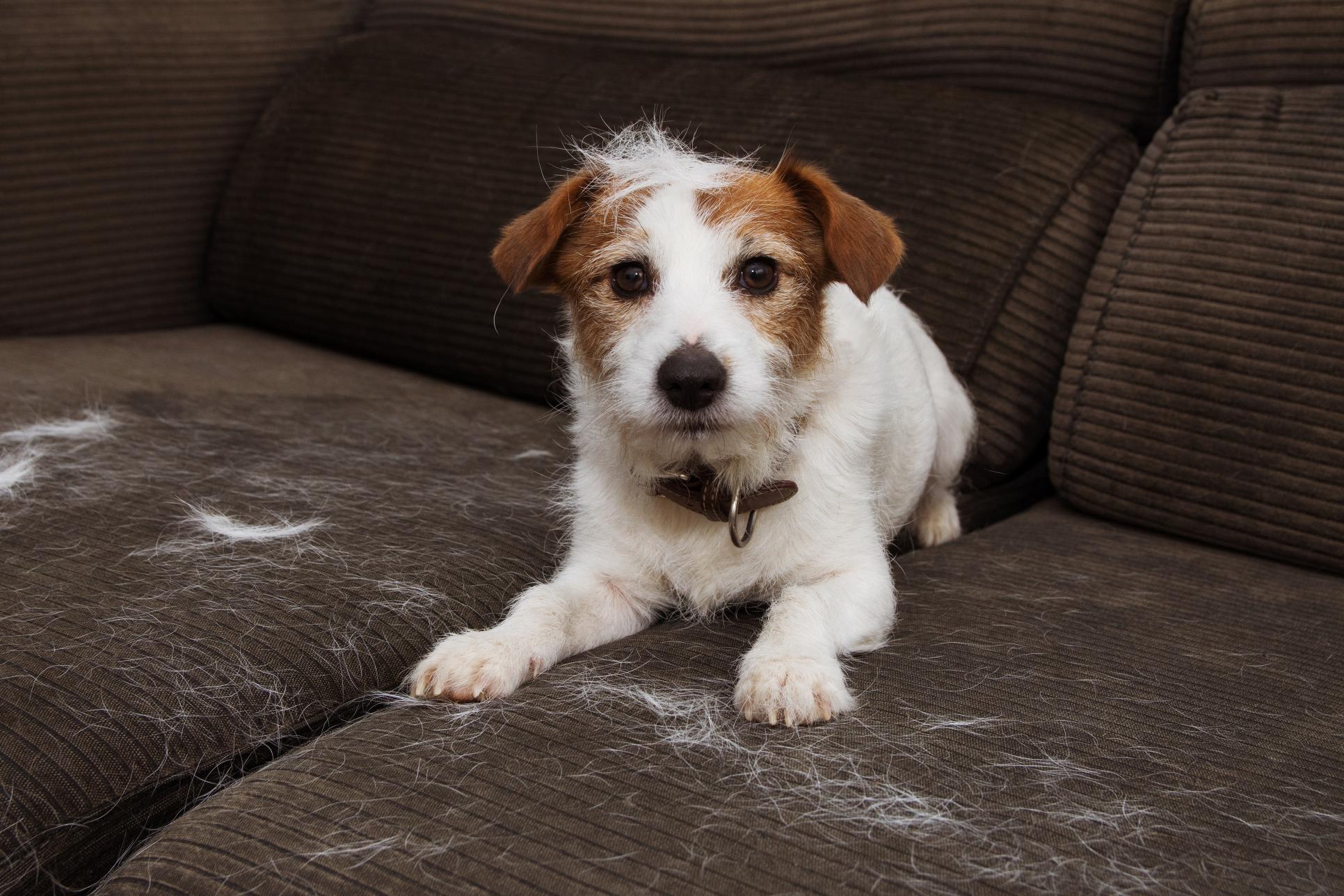
Winter in Lafayette, Colorado, often means cozy fires, snow-dusted trails, and… pet allergies? It might surprise you to learn that your furry friend’s sniffles, scratching, or licking in January aren’t always from dry air or static-filled sweaters. At Coal Creek Animal Hospital, we know that winter pet allergies are real, and they can be just as irritating as the ones your pet faces in spring or fall.
Let’s explore why cold-month allergies happen, what signs to look for, and how to help your pet feel comfortable again.
Why Pets Get Allergies in Winter
When pollen counts drop, many pet parents assume allergy season is over. But indoor allergens for pets often take center stage this time of year. Because our homes are sealed tight against the cold, irritants can build up indoors.
Common culprits include:
- Dust mites
- Mold spores hiding in damp basements or bathrooms
- Dander from other pets
- Smoke from fireplaces or candles
- Cleaning products and air fresheners
The combination of dry indoor air and these trapped allergens can leave your pet’s skin itchy, and their respiratory system irritated. Even the cozy bedding and blankets you just washed may hold detergent residues that bother sensitive skin.
Learn more about cold-weather pet care in this blog post.
Recognizing Allergy Symptoms During Cold Months
Allergy symptoms in pets aren’t limited to sneezing and watery eyes. In fact, many pets show signs on their skin or in their behavior rather than through respiratory distress.
Watch for:
- Persistent itching, licking, or chewing at the paws or belly
- Red, flaky, or irritated skin
- Hair loss or “hot spots”
- Ear infections that seem to return again and again
- Watery eyes or nasal discharge
- Coughing or wheezing
If your pet displays these signs year after year, especially in winter, it may point to environmental allergies. Because some of these symptoms overlap with other conditions, your veterinarian’s insight is essential for a proper diagnosis.
Helping Your Pet Breathe Easier
The good news? With the right approach, pet allergy symptoms during cold months can be managed. Small changes around your home, and targeted veterinary care can make a big difference.
Try these tips:
- Clean regularly using a vacuum with a HEPA filter, and wash pet bedding often
- Use air purifiers to capture dust, dander, and other indoor irritants
- Keep humidity balanced—too much encourages mold, too little dries out skin
- Rinse paws and coat after walks to remove outdoor allergens
- Consult your veterinarian for personalized allergy relief options
A customized plan ensures your pet’s comfort year-round, especially during months when you’d least expect allergy flare-ups.
Compassionate, Fear Free Care
Coal Creek Animal Hospital’s Fear Free Certified team takes the stress out of vet visits, providing calm, gentle care for every patient. Whether your pet needs diagnostics, allergy treatment, or ongoing preventive care, our goal is always to support their comfort and overall well-being.
Keep Your Pet Comfortable All Year Long
If your pet’s winter scratching or sneezing has you puzzled, don’t wait for spring to roll around. Allergies can make your furry friend miserable in any season. Our team can pinpoint the cause and create a plan that helps your companion feel their best through every temperature swing Colorado throws your way.
Call (720) 894-4005 to schedule an appointment and find out how our team can help your pet enjoy the season—sniffle-free.