Chronic Sneezing in Dogs and Cats: Infection, Dental Disease, or Tumors?
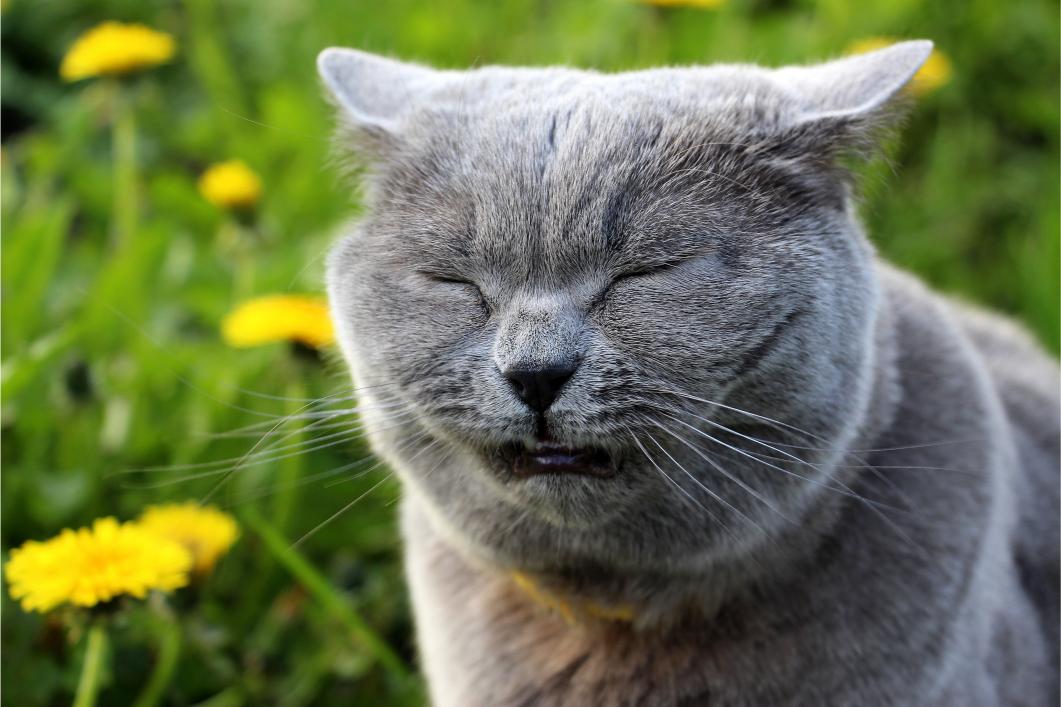
An occasional sneeze here and there is usually no cause for concern. But when sneezing becomes frequent, persistent, or downright dramatic, it may be time to take a closer look. At Coal Creek Animal Hospital, we often see pet parents who are surprised to learn that chronic sneezing can point to more than seasonal irritation—and sometimes to more serious underlying issues.
When Sneezing Becomes a Pattern
If you’re dealing with chronic sneezing in your dog or you’ve noticed your cat sneezing a lot, it’s worth paying attention to patterns. Sneezing that lingers longer than a week or two, worsens over time, or is accompanied by other symptoms may indicate nasal disease in pets rather than a simple irritation.
Veterinary evaluation is especially important if sneezing is paired with discharge, facial swelling, bad breath, or changes in appetite or behavior. These clues help narrow down the cause and guide the next steps.
Infections and Inflammation
Respiratory infections are among the most common causes of ongoing sneezing, particularly in cats. Viruses, bacteria, and even fungal organisms can irritate the nasal passages and sinuses, leading to persistent symptoms.
Pets with infections may show:
- Thick or discolored nasal discharge
- Watery or swollen eyes
- Lethargy or reduced appetite
- Sneezing that worsens instead of improving
Because infections can look similar on the surface, diagnostic testing is often needed to determine the cause and choose the most effective treatment.
Dental Disease That Reaches the Sinuses
Surprisingly, the mouth and nose are closely connected. Advanced dental disease, especially in dogs, can extend into the nasal cavity, leading to chronic inflammation or infection.
Signs that dental disease may be involved include:
- Bad breath that doesn’t improve
- Pawing at the mouth or face
- Sneezing that occurs during eating
- Nasal discharge on one side
Addressing dental problems early not only improves comfort but can also prevent long-term complications that affect breathing and overall health.
Foreign Material and Nasal Irritation
Dogs, in particular, love to investigate the world nose-first. Grass, seeds, or other debris can become lodged in the nasal passages, leading to sudden or ongoing sneezing.
This type of irritation often causes:
- Sudden onset of sneezing
- Pawing at the nose
- Sneezing fits that don’t resolve
Even when symptoms seem mild, foreign material should be removed promptly to avoid infection or tissue damage.
Pet Nasal Tumors and Other Growths
Although less common, pet nasal tumors can cause persistent sneezing, particularly in older pets. Tumors or polyps can obstruct airflow and irritate surrounding tissues.
Red flags may include:
- Nosebleeds
- Facial swelling or asymmetry
- Chronic discharge from one nostril
- Progressive worsening of symptoms
Advanced diagnostics and imaging are often required to identify growths and determine appropriate care.
A Gentle, Low-Stress Approach to Diagnosis
Diagnosing nasal disease in pets often involves imaging, lab work, and sometimes dental evaluation. Our Fear Free and cat-friendly approach helps minimize stress during these visits, making it easier on both pets and their people.
Early evaluation can lead to more effective treatment and better outcomes, often saving time, money, and discomfort in the long run.
Schedule a Wellness and Preventive Care Visit
If your pet’s sneezing feels like more than a passing phase, don’t wait it out. Call us at (720) 894-4005 to schedule a wellness and preventive care visit. Our friendly staff is here to help uncover the cause and create a plan tailored to your pet’s needs so that everyone can breathe a little easier.