Mushroom Poisoning in Dogs: Which Wild Mushrooms Are Dangerous?
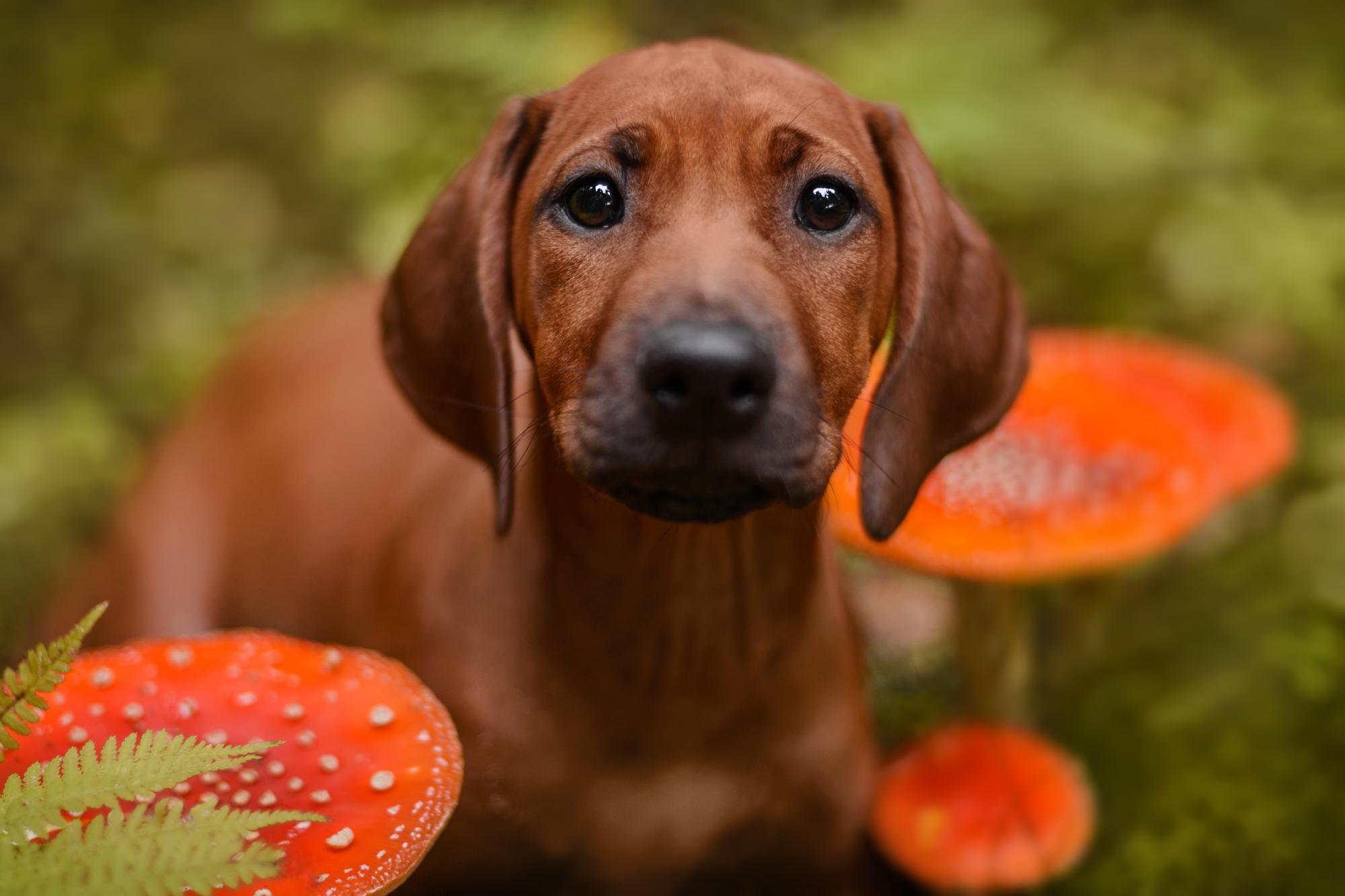
Mushrooms can seem to appear out of nowhere, especially after rain or during damp weather. While many mushrooms are harmless, some wild varieties contain toxins that can cause serious illness in dogs. Because dogs are naturally curious and tend to investigate the world with their noses and mouths, a walk outside can easily turn into a medical emergency. Mushroom poisoning in dogs can affect their digestive system, nervous system, liver, kidneys, and multiple organs, depending on the type of mushroom eaten.
Why Mushrooms Can Be Dangerous for Dogs
One of the biggest problems with wild mushrooms is that they can be difficult to identify. Some toxic mushrooms look surprisingly ordinary, and a mushroom that seems harmless to you may contain dangerous toxins.
Toxic Mushrooms for Dogs
Several types of mushrooms have been associated with serious or even fatal poisoning in dogs. Amanita species, including the infamous death cap mushroom, can contain amatoxins that primarily damage the liver and can eventually lead to liver and kidney failure. Other mushrooms can affect the nervous system, and cause symptoms such as disorientation, tremors, seizures, or severe weakness.
The tricky part is that you cannot safely determine whether a mushroom is toxic simply by looking at it. When it comes to wild mushrooms, guessing is definitely not a game worth playing.
Signs of Mushroom Poisoning in Dogs
Symptoms can vary depending on the mushroom and the amount eaten. Some dogs become sick within minutes or a few hours, while certain dangerous toxins may not cause noticeable symptoms for several hours. That delay can make mushroom poisoning especially concerning because your dog may appear perfectly fine at first.
Signs to watch for:
- Vomiting or diarrhea
- Excessive drooling
- Loss of coordination or stumbling
- Weakness or unusual sleepiness
- Tremors or seizures
- Disorientation or unusual behavior
- Changes in thirst or urination
- Yellowing of the eyes, gums, or skin
With some highly-toxic mushrooms, serious liver damage can develop after the initial stomach upset appears to improve. In other words, a dog seeming better does not necessarily mean the danger has passed.
What to Do If Your Dog Ate a Mushroom
If you know or suspect your dog ate a mushroom, contact your veterinarian right away. Do not wait for symptoms to appear. Early treatment is extremely important with certain mushroom toxins.
If possible, collect a sample of the mushroom your dog ate or take photos of it. This information helps your veterinary team determine what type of toxin they’re dealing with.
We highly recommend you skip internet remedies and do not try to make your dog vomit unless a veterinarian specifically tells you to. The appropriate response can depend on what was eaten, when it happened, and your dog’s current condition.
Keep Your Yard Mushroom Free
The easiest way to prevent mushroom poisoning is to keep curious pets away from mushrooms. Check your yard regularly, especially after rain, and remove mushrooms before you take your dog outside.
If your dog is a professional backyard scavenger, please supervise them. A few extra minutes of checking the yard can save you from a very stressful trip to the veterinarian later.
Protect Your Pet
Mushroom poisoning in dogs can become serious quickly. Getting veterinary care promptly gives your pet the best chance for a safe recovery. If you suspect your dog ate a mushroom, don’t wait for symptoms to show up.
Contact Coal Creek Animal Hospital for immediate veterinary guidance or schedule an online appointment today. When it comes to our pets, it’s always better to be overly cautious.